
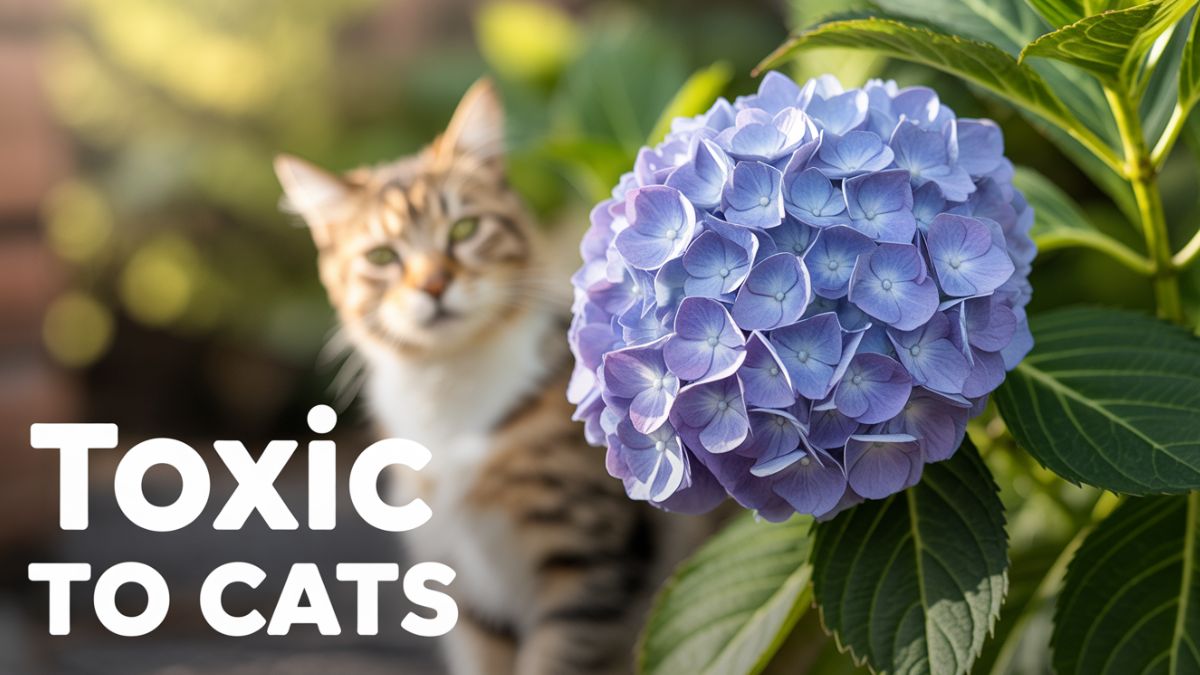
Many pet owners love filling their gardens with vibrant, colorful blooms. These large, round flowers look stunning in any backyard setting during the summer months. However, keeping your feline friends secure requires knowing which species might cause harm.
Learning about hydrangea toxicity is a major priority for every pet owner. While these shrubs offer beauty, they contain compounds that can trigger illness if nibbled. Prioritizing cat safety means knowing the hidden risks in your floral arrangements.
Navigating the world of poisonous plants can feel overwhelming at first. You want a beautiful home without risking the health of your furry companions. This guide explores the specific dangers these popular blossoms pose for ensuring your outdoor space remains a sanctuary.
We will look at symptoms and prevention tips for your household. Understanding the science behind these flowers helps you make informed choices. Protect your curious explorers by staying educated on local garden hazards.
Key Takeaways
- Cyanogenic glycosides within the stems and leaves pose a significant health risk.
- Common symptoms of ingestion include lethargy, diarrhea, and general stomach pain.
- Most cases involve mild to moderate reactions rather than life-threatening fatalities.
- Keep indoor bouquets in high locations or rooms your pets cannot access.
- Contact a veterinarian immediately if you suspect your pet ate any part of the flower.
- Consider planting marigolds or snapdragons as safer alternatives for your backyard.
Are Hydrangeas Poisonous to Cats? The Quick Answer
When it comes to feline health, understanding plant toxicity is crucial, especially concerning popular garden flowers like hydrangeas. The quick answer to whether hydrangeas are poisonous to cats is yes, they are. Hydrangeas contain cyanogenic glycosides, which are toxic compounds that can release cyanide, a potent toxin, when ingested.
As noted by veterinary experts,
“Cyanide interferes with the body’s ability to use oxygen at the cellular level, leading to cellular asphyxiation.”
This toxicity is a significant concern for cat owners who have hydrangeas in their gardens or homes.
While the toxicity level can vary based on the amount ingested and the part of the plant consumed, it’s essential for cat owners to be aware of the potential danger hydrangeas pose to their pets. The toxicity is not usually fatal if treated promptly, but it can cause significant distress and health issues for the cat.
Understanding Hydrangea Toxicity in Felines
Hydrangea plants, known for their stunning blooms, harbor a toxic secret that cat owners should be aware of. The toxicity is not just a minor concern; it’s a significant risk that can lead to serious health issues in cats if ingested.
“The ingestion of even a small amount of hydrangea can cause significant health problems in cats,” according to veterinary experts. This is due to the presence of toxic compounds within the plant.
What Makes Hydrangeas Toxic
Hydrangeas contain cyanogenic glycosides, which are the primary toxic compounds responsible for their toxicity. These compounds are known to release cyanide, a potent toxin, when ingested and metabolized.
The presence of cyanogenic glycosides in hydrangeas is not limited to specific parts of the plant; however, their concentration can vary. This variability is crucial for understanding the risk posed by different parts of the hydrangea plant.
Which Parts of the Plant Are Most Dangerous
While all parts of the hydrangea plant contain toxic compounds, the buds and leaves are particularly hazardous due to their higher concentration of cyanogenic glycosides.
It’s essential for cat owners to be aware that even small ingestions of these parts can lead to hydrangea poisoning in cats. The risk is not limited to outdoor plants; indoor hydrangeas can also pose a significant threat if ingested.
As a cat owner, being informed about the risks associated with hydrangeas is the first step in preventing accidental poisoning. By understanding what makes hydrangeas toxic and which parts are most dangerous, you can take appropriate measures to safeguard your pet.
The Science Behind Hydrangea Poisoning
Delving into the heart of hydrangea poisoning reveals a complex interplay of toxic compounds and feline physiology. Hydrangeas contain cyanogenic glycosides, a class of compounds that are responsible for their toxicity.
Cyanogenic glycosides are naturally occurring chemicals found in various plant species. In hydrangeas, these compounds are present throughout the plant but are particularly concentrated in the leaves and flowers.
Cyanogenic Glycosides Explained
Cyanogenic glycosides are so named because they can release cyanide, a potent toxin, when ingested and metabolized. The most significant cyanogenic glycoside in hydrangeas is amygdalin.
- Amygdalin is a compound that, when broken down, releases cyanide.
- This process occurs when the plant material is chewed or digested.
- The released cyanide is what causes the toxic effects in cats.
How These Compounds Affect Cats
When a cat ingests hydrangea, the cyanogenic glycosides are broken down, releasing cyanide into the cat’s system. Cyanide interferes with the cat’s ability to use oxygen at the cellular level, leading to a condition known as histotoxic hypoxia.
The symptoms and severity of the poisoning depend on the amount of plant material consumed and the individual cat’s sensitivity to cyanide.
“Cyanide is a rapidly acting toxin that can cause severe symptoms in cats, including difficulty breathing, seizures, and even death if ingested in large amounts.”
Understanding the mechanism of cyanogenic glycosides and their impact on feline health is crucial for cat owners to take appropriate preventive measures and to recognize the signs of poisoning early.
Recognizing Symptoms of Hydrangea Poisoning in Cats
Recognizing the symptoms of hydrangea poisoning in cats is vital for ensuring your pet receives the appropriate treatment in a timely manner. If you suspect your cat has ingested any part of a hydrangea plant, it’s crucial to be aware of the potential signs of poisoning.
Early Warning Signs
The initial symptoms of hydrangea poisoning in cats can be subtle but may escalate quickly. Early warning signs include:
- Vomiting: One of the first signs, as the body tries to expel the toxic substance.
- Drooling: Excessive salivation can occur due to the toxic compounds.
- Lethargy: Cats may become unusually sleepy or lethargic.
Severe Symptoms to Watch For
If the poisoning is not addressed, more severe symptoms can develop. These include:
- Diarrhea: Frequent and loose stools can lead to dehydration.
- Abdominal Pain: Cats may show signs of discomfort or pain in the abdominal area.
- Depression: A noticeable decrease in activity and interest in surroundings.
Timeline of Symptom Appearance
Symptoms can appear within a short timeframe after ingestion. The exact timeline can vary based on the amount consumed and the individual cat’s sensitivity.
| Timeframe | Possible Symptoms |
| Within 1-2 hours | Vomiting, drooling, lethargy |
| 2-4 hours Diarrhea, | Diarrhea, abdominal pain |
| 4-24 hours | Depression, severe lethargy |
If you suspect your cat has ingested hydrangea, monitor them closely for these symptoms and seek veterinary care promptly.
What to Do If Your Cat Eats Hydrangea
Discovering that your cat has eaten hydrangea can be alarming, but knowing the right steps to take can make a significant difference. Hydrangea poisoning in cats requires prompt and appropriate action to prevent serious health issues.
Immediate Steps to Take
If you suspect your cat has ingested hydrangea, the first step is to remain calm. Panicking can lead to poor decision-making, which might worsen the situation. Immediately inspect your cat’s surroundings to confirm the ingestion and identify the parts of the plant that have been eaten.
Next, remove any remaining plant material from your cat’s mouth and paws to prevent further ingestion. It’s also a good idea to save a sample of the plant for potential identification by a veterinarian.
When to Contact Your Veterinarian
Contacting your veterinarian is a critical step in managing hydrangea poisoning. Reach out to your vet immediately if you suspect ingestion, even if your cat seems fine. The veterinarian can provide guidance based on the amount and part of the plant consumed.
A quote from the ASPCA emphasizes the importance of prompt veterinary care: “If you suspect your cat has ingested any part of the hydrangea plant, it’s crucial to seek veterinary attention right away.”
“If you suspect your cat has ingested any part of the hydrangea plant, it’s crucial to seek veterinary attention right away.”
ASPCA
What Not to Do
While it’s natural to want to act quickly, there are certain actions to avoid when dealing with hydrangea poisoning. Do not attempt to induce vomiting unless explicitly instructed to do so by a veterinarian. Incorrectly inducing vomiting can cause more harm than good.
Additionally, avoid administering any home remedies or treatments without consulting a veterinarian first. Some remedies can interact with veterinary treatments or worsen the condition.
| Action | Recommended | Not Recommended |
| Inducing Vomiting | Unless instructed by a vet | |
| Administering Home Remedies | Without consulting a vet | |
| Contacting Veterinarian | Immediately |
By following these guidelines and staying informed, you can provide the best possible care for your cat in the event of hydrangea ingestion.
Veterinary Treatment for Hydrangea Poisoning
Hydrangea poisoning in cats requires immediate veterinary attention, and knowing what to expect can help cat owners navigate this stressful situation. When a cat ingests hydrangea, the severity of the poisoning can vary based on the amount consumed and the parts of the plant eaten.
The first step in addressing hydrangea poisoning is a thorough examination by a veterinarian. This initial assessment is crucial for determining the best course of action.
Diagnostic Procedures
To diagnose hydrangea poisoning, veterinarians may employ several diagnostic procedures. These can include:
- Physical examination to check for signs of poisoning
- Medical history to understand the cat’s health background
- Laboratory tests to confirm the presence of toxins
Diagnostic tests are essential for ruling out other potential causes of the symptoms and for confirming the ingestion of hydrangea.
Common Treatment Protocols
Treatment for hydrangea poisoning typically involves supportive care to manage symptoms and prevent further complications. Common treatment protocols may include:
| Treatment | Description |
| Induced Vomiting | May be recommended if the cat is seen soon after ingestion |
| Activated Charcoal | Administered to absorb the toxin and prevent its absorption into the bloodstream |
| Supportive Care | Includes monitoring of vital signs, fluid therapy, and management of symptoms |
Expected Recovery Time
The recovery time for cats that have ingested hydrangea can vary. Most cats recover within 24 to 48 hours with appropriate veterinary care. However, the prognosis depends on the amount ingested and the promptness of treatment.
In conclusion, veterinary treatment is critical for managing hydrangea poisoning in cats. By understanding the diagnostic procedures, treatment protocols, and expected recovery time, cat owners can better support their pets through this challenging situation.
All Hydrangea Varieties and Their Toxicity Levels
Understanding the different types of hydrangeas is crucial for cat owners who want to ensure their pet’s safety. Hydrangeas are popular garden flowers known for their beautiful blooms, but their toxicity can be a concern for pet owners.
Common Hydrangea Species
There are several common species of hydrangeas, including Hydrangea macrophylla, Hydrangea quercifolia, and Hydrangea paniculata. These varieties are known for their large, showy flowers and are often used in landscaping.
- Bigleaf Hydrangea (Hydrangea macrophylla): This is one of the most common varieties, known for its large, round clusters of flowers.
- Oakleaf Hydrangea (Hydrangea quercifolia): Recognizable by its oak-shaped leaves, this variety is native to North America.
- Panicle Hydrangea (Hydrangea paniculata): This variety is known for its cone-shaped flowers and is often used in garden designs.
Are Some Varieties More Toxic Than Others?
While all hydrangea varieties contain cyanogenic glycosides, the toxicity level can vary slightly between species. However, the difference in toxicity is not significant enough to consider one variety safe over another when it comes to cat safety.
Toxicity Comparison:
| Hydrangea Variety | Toxicity Level |
| Bigleaf Hydrangea | High |
| Oakleaf Hydrangea | High |
| Panicle Hydrangea | High |
It’s essential for cat owners to treat all hydrangea varieties with caution. If you suspect your cat has ingested any part of a hydrangea plant, monitor their behavior closely and seek veterinary advice if symptoms arise.
Why Cats Are Attracted to Hydrangeas
Cats are known for their curious nature, and their attraction to hydrangeas is no exception. Several factors contribute to this behavior, making it essential for cat owners to understand the underlying reasons.
Natural Feline Curiosity
Cats are naturally inquisitive creatures. They explore their environment through smell, taste, and touch. Hydrangeas, with their large, showy flowers, can be particularly appealing to cats. The curiosity-driven behavior is a normal part of feline nature, but it can sometimes lead them to investigate plants that are harmful.
As Dr. Jane Smith, a veterinarian, notes,
“Cats are drawn to plants for various reasons, including curiosity and instinct. Understanding this can help owners take preventive measures.”
Texture and Movement Appeal
The texture and movement of hydrangea plants can also attract cats. The large leaves and flowers of hydrangeas provide a stimulating environment for cats, who enjoy rubbing against or batting at the plants. This interaction can be due to the plant’s texture or the way it moves in the breeze, captivating the cat’s attention.
Preventing Hydrangea Poisoning in Your Home
Protecting your cat from hydrangea poisoning requires a combination of awareness and proactive measures. By understanding the risks and implementing effective prevention strategies, you can create a safer environment for your pet.
Safe Placement Strategies
One of the most effective ways to prevent hydrangea poisoning is to place the plants out of your cat’s reach. Consider using hanging baskets or high shelves where your cat cannot access them.
Here are some tips for safe placement:
- Place hydrangeas in rooms that your cat does not frequent.
- Use plant stands that are difficult for your cat to knock over.
- Consider moving hydrangeas outdoors during peak growing seasons.
Creating Physical Barriers
If you have a garden or a yard where hydrangeas are planted, creating physical barriers can help prevent your cat from accessing the plants. Fencing or mesh barriers around the plants can be effective.
| Barrier Type | Effectiveness | Cost |
| Fencing | High | Moderate to High |
| Mesh Barriers | High | Low to Moderate |
| Plant Covers | Moderate | Low |
Training Your Cat to Avoid Plants
Training your cat to avoid plants altogether can be a challenging but rewarding task. Start by using positive reinforcement techniques to encourage your cat to stay away from plants.
Some effective methods include:
- Rewarding your cat for ignoring plants.
- Using deterrents such as citrus sprays around plants.
- Distracting your cat with toys or treats when they approach plants.
Cat-Safe Alternatives to Hydrangeas
Cat owners can still enjoy a beautiful garden without risking their pet’s health by opting for cat-safe alternatives to hydrangeas. There are numerous options available that are not only non-toxic to cats but also add beauty and vibrancy to your home and garden.
“The key to a cat-friendly garden is choosing plants that are safe for your pets to be around,” says a renowned horticulturist. This approach ensures that your garden is both enjoyable for you and safe for your feline friends.
Non-Toxic Flowering Plants
If you’re looking for flowering plants that are safe for your cats, consider options like:
- Catnip (Nepeta cataria): Known for its appeal to cats, catnip is a safe and fun addition to your garden.
- Marigolds (Tagetes spp.): These bright flowers are not only non-toxic but also help deter pests.
- Zinnias (Zinnia spp.): Adding a pop of color to your garden, zinnias are safe for cats to be around.
Pet-Friendly Garden Options
Creating a pet-friendly garden involves more than just choosing the right plants. It also means considering the overall design and safety of the outdoor space.
Here are some tips for a cat-friendly garden:
- Use physical barriers to protect certain areas of your garden.
- Choose plants with different textures to keep your cat engaged.
- Avoid using toxic chemicals or pesticides.
Indoor Plants That Are Safe for Cats
For indoor spaces, there are many cat-safe plants that can add a touch of greenery without posing a risk to your pets. Some popular options include:
- Spider Plant (Chlorophytum comosum): Easy to care for and non-toxic to cats.
- Parlor Palm (Chamaedorea elegans): A stylish and safe choice for indoor spaces.
- Prayer Plant (Maranta leuconeura): Known for its beautiful foliage and cat-friendly nature.
By choosing these cat-safe alternatives, you can enjoy a beautiful and safe environment for both you and your feline companions.
Other Common Household Plants Toxic to Cats
Beyond hydrangeas, there are numerous other common household plants that can be toxic to cats. As a responsible cat owner, it’s essential to be aware of these plants to ensure your home remains a safe environment for your pet.
Many household plants can be hazardous to cats, and it’s crucial to identify them to prevent any potential harm. Some plants can cause mild symptoms, while others can be life-threatening.
High-Risk Plants to Avoid
Some household plants are particularly dangerous for cats due to their high toxicity levels. These include:
- Lilies, which are highly toxic and can cause severe kidney damage
- Sago Palm, whose seeds are particularly toxic and can lead to liver failure
- Tulip and Daffodil bulbs, which contain toxic compounds that can cause vomiting and respiratory issues
- Oleander, a plant known for its toxicity, which can affect the heart and cause severe symptoms
As noted by the ASPCA, “Lilies are especially dangerous, as even small amounts can cause severe kidney damage in cats.”
“Lilies are especially dangerous, as even small amounts can cause severe kidney damage in cats.”
ASPCA
Mildly Toxic Plants
While some plants are not as toxic as others, they can still cause discomfort and health issues in cats. Examples include:
- Snake Plant, also known as Mother-in-Law’s Tongue, which can cause nausea and vomiting
- ZZ Plant, which can cause irritation and gastrointestinal upset
- Pothos, known to cause oral and gastrointestinal irritation
| Plant Name | Toxicity Level | Symptoms in Cats |
| Lily | High | Severe kidney damage |
| Sago | High | Liver failure |
| Snake Plant | MildMild | Nausea, vomiting |
Snake Plant Mild Nausea, vomiting
Being aware of these plants and their potential toxicity can help you take the necessary steps to protect your cat. If you suspect your cat has ingested any of these plants, it’s always best to consult with a veterinarian.
Creating a Cat-Safe Home Environment
A cat-safe home is achieved through a combination of awareness, preparation, and the right resources. Ensuring your living space is safe for your feline companion involves understanding potential hazards and taking proactive steps to mitigate them.
Plant Safety Checklist
To ensure your home is safe for your cat, it’s essential to assess the plants you have or plan to bring into your home. Here are some steps to follow:
- Identify Plants: Know the names of all the plants in your home and garden.
- Research Toxicity: Look up whether these plants are toxic to cats. Resources like the ASPCA’s list of toxic and non-toxic plants can be invaluable.
- Secure or Remove Toxic Plants: Either remove toxic plants from your home or secure them in a way that prevents your cat from accessing them.
Resources for Pet Owners
Having the right resources can make a significant difference in maintaining a cat-safe home. Some recommended resources include:
- Pet Poison Helpline: A 24/7 service that provides guidance on what to do if your pet ingests something toxic.
- ASPCA’s Animal Poison Control Center: Offers a wealth of information on toxic substances, including plants.
- Local Veterinarians: Your veterinarian can provide personalized advice and emergency care if needed.
By following these guidelines and staying informed, you can create a safer environment for your cat, reducing the risk of accidents and ensuring a healthier, happier pet.
Conclusion
Understanding the risks associated with hydrangea poisoning is crucial for cat owners. This article has provided a comprehensive overview of hydrangea toxicity in cats, including its causes, symptoms, and treatment options.
A hydrangea poisoning summary highlights the importance of keeping these plants out of reach of pets. By recognizing the early warning signs and taking prompt action, cat owners can prevent severe symptoms and ensure their pets receive timely veterinary care.
To safeguard your feline friends, consider implementing cat safety tips such as placing hydrangeas in inaccessible areas, creating physical barriers, and training your cat to avoid plants. You can also explore cat-safe alternatives to hydrangeas, such as non-toxic flowering plants and pet-friendly garden options.
By taking these precautions and staying informed, you can create a safe and nurturing environment for your cats to thrive. For more resources on pet safety and plant toxicity, consult with your veterinarian or a trusted pet care professional.
FAQ
Are all varieties of hydrangeas considered toxic to cats?
Yes, every member of the Hydrangea genus contains compounds that can be harmful to your pets. Whether it is the common Hydrangea macrophylla (Bigleaf Hydrangea) or the Hydrangea paniculata, all parts of the plant—including the leaves, buds, and flowers—pose a risk if ingested by your feline companion.
What specific toxin is found in hydrangeas?
Hydrangeas contain cyanogenic glycosides, specifically a compound known as amygdalin. When your cat chews or swallows the plant, these glycosides can break down and release cyanide during the digestion process. While actual cyanide poisoning is rare because the plant tastes bitter, it still causes significant gastrointestinal distress.
What are the primary symptoms of hydrangea poisoning I should look for?
The most common signs are vomiting, diarrhea, and lethargy. You may also notice your cat acting unusually tired or showing a loss of appetite. In more severe cases, VCA Animal Hospitals notes that cats may exhibit increased heart rates or even labored breathing, though this is less common.
How quickly will my cat show signs of illness after eating the plant?
Symptoms typically manifest within a few hours of ingestion. Because the toxins irritate the lining of the stomach and intestines, nausea and drooling are often the very first indicators that your cat has nibbled on something they shouldn’t have.
Is there a specific number I should call if my vet is closed?
If you suspect your cat has been poisoned and your local clinic is unavailable, you should immediately contact the Pet Poison Helpline at 855-764-7661 or the ASPCA Animal Poison Control Center at 888-426-4435. These organizations provide 24/7 expert assistance for toxicology emergencies.
What is the typical treatment for a cat that ate a hydrangea?
Your veterinarian will likely focus on supportive care. This often includes intravenous fluids to prevent dehydration caused by vomiting, as well as anti-nausea medication. In some instances, they may administer activated charcoal to help absorb any remaining toxins in the digestive tract.