
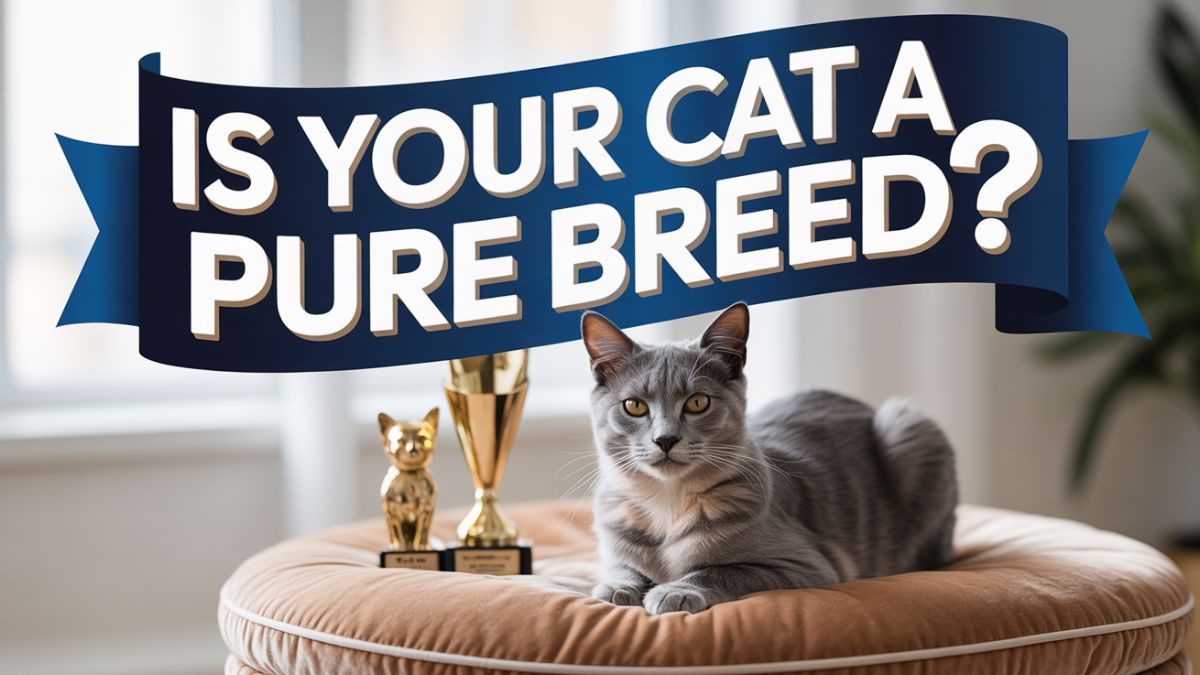
Many people wonder about the history of their fluffy friend. Finding specific traits helps owners understand their pet’s past. While most felines are wonderful mixed varieties, some show signs of specific purebred lineage.
Learning about feline roots adds excitement to pet ownership. Knowing these details allows for better care and deeper connection. Every feline has a unique story, whether they have papers or not.

Physical markers like coat texture or ear shape often hint at specific cat breed features. This guide helps you navigate those curious physical markers. Checking for papers or consulting experts can clarify things.
Most domestic pets in American homes are mixed, yet they often resemble high-end varieties with distinct features. Learning heritage helps you appreciate their traits even more. Stay curious as you explore the world of feline genetics.
Key Takeaways
- Look for specific physical traits like coat and ears.
- Check for registration papers or source info.
- Identify common traits of popular varieties.
- Consider genetic testing for deeper insights.
- Recognize the value of mixed heritage pets.
- Consult veterinarians for professional observations.
Understanding What Makes a Cat Purebred
Determining whether your cat is a purebred involves understanding the intricacies of feline ancestry. The concept of a purebred cat is deeply rooted in the cat’s lineage and breeding history. To grasp what makes a cat purebred, it’s essential to delve into the definitions and distinctions that govern feline breeding.
The Definition of a Purebred Cat
A purebred cat is one that belongs to a recognized breed and has parents of the same breed. This means that the cat’s ancestry is consistent within a specific breed, adhering to the breed standards set by cat registries such as the International Cat Association (TICA) or the Cat Fanciers’ Association (CFA).
Purebred cats are bred to maintain the unique characteristics of their breed, whether it’s their coat pattern, eye color, or body type. For instance, a purebred Siamese cat will have the distinctive pointy coat pattern and blue eyes that are hallmarks of the breed.
Purebred vs. Pedigreed: What’s the Difference?
While often used interchangeably, “purebred” and “pedigreed” have distinct meanings. A purebred cat is one that is of a single breed, as mentioned. On the other hand, a pedigreed cat is one that has a documented ancestry, typically registered with a cat association. Not all pedigreed cats are purebred, as pedigree papers can sometimes be issued for cats with mixed ancestry if they meet certain criteria.
The distinction is crucial because it affects how breeders and owners perceive their cat’s lineage and value.
Why Knowing Your Cat’s Breed Matters
Understanding your cat’s breed can provide insights into their behavior, health, and grooming needs. Different breeds have different predispositions to certain health issues. For example, some breeds are more prone to hypertrophic cardiomyopathy, a heart condition.
Knowing your cat’s breed can help you anticipate and manage these potential health concerns. Moreover, it can enhance your appreciation of your cat’s unique characteristics and traits.
| Breed | Distinctive Feature | Health Considerations |
|---|---|---|
| Siamese | Pointy coat pattern, blue eyes | Prone to crossed eyes, respiratory issues |
| Maine Coon | Large size, tufted ears | May be prone to hip dysplasia, spinal muscular atrophy |
| Persian | Flat face, long coat | Prone to eye problems, respiratory issues due to brachycephalic syndrome |
Physical Characteristics That Indicate a Purebred
The physical attributes of a cat can provide significant clues about its breed purity. Purebred cats are known for their distinct physical characteristics, which are often the result of careful breeding practices.
Body Structure, Size, and Bone Density
Purebred cats can vary significantly in terms of body structure, size, and bone density. For example, the Maine Coon is one of the largest domesticated breeds, known for its muscular build and sturdy bone structure.
In contrast, breeds like the Singapura are much smaller, with a more delicate bone structure. The size and weight of a cat can be an important indicator of its breed.
Coat Patterns, Colors, and Texture Variations
The coat of a purebred cat is often one of its most distinguishing features. Different breeds exhibit a wide range of coat patterns, colors, and textures.
For instance, the Bengal breed is known for its distinctive spotted or marbled coat pattern, while the Persian has a long, flowing coat that requires regular grooming.
| Breed | Coat Pattern | Coat Texture |
|---|---|---|
| Bengal | Spotted or Marbled | Short, Smooth |
| Persian | Solid, Bi-color, or Calico | Long, Flowing |
| Siamese | Pointed | Short, Fine |
Facial Features and Head Shape Indicators
The facial features and head shape of a cat can also be indicative of its breed. For example, the British Shorthair has a broad face and a short, turned-up nose.
In contrast, the Siamese has a more angular face with a wedge-shaped head.
Eye Color, Shape, and Placement
The eyes of a purebred cat can be quite distinctive. Different breeds are known for specific eye colors, shapes, and placements.
For instance, the Siamese and Oriental Shorthair breeds are known for their bright blue eyes, while the Chartreux has eyes that range from gold to copper.
Ear Size, Shape, and Positioning
The ears of a purebred cat can vary significantly in terms of size, shape, and positioning. The Maine Coon and Norwegian Forest Cat are known for their large, tufted ears.
In contrast, breeds like the Scottish Fold have ears that fold forward and downward, giving them a unique appearance.
Behavioral Traits of Purebred Cats
Purebred cats exhibit a wide range of behavioral traits that are influenced by their breed and feline ancestry. Understanding these behaviors can provide insights into a cat’s background and help identify its cat breed.
Breed-Specific Personality Characteristics
Different cat breeds are known for their unique personalities. For instance, some breeds are more affectionate and demanding of attention, while others are more independent. The Persian breed, for example, is often described as calm and gentle, whereas the Abyssinian is known for being energetic and playful.
These personality traits are shaped by the breed’s history and purpose. For example, breeds developed for companionship tend to be more affectionate, while those bred for hunting may be more independent and energetic.
Vocalization Patterns and Communication Styles
Cats communicate in various ways, including vocalizations. Certain cat breeds are known to be more vocal than others, with some having distinctive sounds. The Siamese breed, for instance, is renowned for its loud and persistent vocalization, often described as “talking” to their owners.
Activity Levels and Energy Requirements
The energy levels of purebred cats vary significantly across breeds. Some are highly energetic and require a lot of stimulation, while others are more laid-back. Breeds like the Bengal and Abyssinian are known for their high energy levels and need plenty of exercise and play.
In contrast, breeds such as the British Shorthair are generally more sedentary and do not require as much activity.
Social Tendencies and Bonding Behaviors
Purebred cats also exhibit a range of social behaviors. Some breeds are highly social and form strong bonds with their owners, while others are more aloof. The Ragdoll breed, as its name suggests, is known for its affectionate nature and tendency to go limp when picked up, indicating a strong desire for human interaction.
Understanding these social tendencies can help cat owners better interact with their pets and provide them with the appropriate environment and attention.
Is Your Cat a Pure Breed? Step-by-Step Identification Guide
Uncover the mystery of your cat’s lineage with our step-by-step guide. Identifying whether your cat is a pure breed involves a combination of observing physical characteristics, understanding behavioral traits, and sometimes, seeking professional help.
Step 1: Document Your Cat’s Physical Features
Start by meticulously documenting your cat’s physical attributes. This includes noting the coat color, pattern, and texture, as well as the eye color and shape. Measure your cat’s length, weight, and note the shape and size of their ears. These details are crucial in comparing your cat against known breed standards.
Step 2: Observe and Record Behavioral Patterns
Observing your cat’s behavior is equally important. Note their activity levels, vocalization patterns, and social tendencies. Some breeds are known for being highly energetic, while others are more laid-back. Understanding these traits can help narrow down potential breeds.
Step 3: Compare Against Breed Standards
With your observations in hand, compare them against recognized breed standards. Cat registries like the International Cat Association (TICA) or the Cat Fanciers’ Association (CFA) provide detailed descriptions of various breeds. This step is crucial in cat identification and determining if your cat matches a specific breed.
Step 4: Consider Your Cat’s Background and History
If possible, gather information about your cat’s ancestry. Pedigree papers can be a valuable resource, providing a documented lineage that can confirm purebred status. Even without papers, understanding your cat’s background can offer clues about their breed.
Step 5: Seek Professional Assessment
For a definitive answer, consider consulting with a professional, such as a cat show judge or a veterinarian with experience in feline genetics. They can provide an expert assessment based on your cat’s physical and behavioral characteristics, as well as any available pedigree information.
Documentation and Pedigree Papers Explained
In the realm of cat breeding and ownership, pedigree papers are essential documents that validate a cat’s lineage. These papers are more than just formal documents; they provide a detailed history of a cat’s ancestry, confirming its breed purity and lineage.
What Information Pedigree Papers Contain
Pedigree papers contain vital information about a cat’s lineage, including its name, registration number, breed, and the names and registration numbers of its parents, grandparents, and sometimes even further ancestors. This documentation is crucial for breeders and owners who wish to verify the purity and authenticity of their cat’s breed.
The details in pedigree papers can vary depending on the issuing organization, but they typically include:
- The cat’s name and registration number
- Breed and color
- Names and registration numbers of parents and grandparents
- Breeder’s name and contact information
Recognized Cat Registry Organizations in the United States
Several cat registry organizations in the United States issue pedigree papers. These organizations maintain breed standards and registries for purebred cats.
The Cat Fanciers’ Association (CFA)
The CFA is one of the largest and most well-known cat registries in the world. It was established in 1906 and has been a pioneer in promoting the breeding and showing of purebred cats.
The International Cat Association (TICA)
TICA is another prominent international cat registry that not only registers cats but also provides a platform for cat shows and breed development.
American Cat Fanciers Association (ACFA)
The ACFA is known for its efforts in promoting the welfare of cats and providing a registry for purebred and non-purebred cats alike.
Cat Fanciers’ Federation (CFF)
The CFF is a federation that encompasses several cat registries and clubs, working together to promote the hobby of cat breeding and showing.
| Registry Organization | Founded | Key Features |
|---|---|---|
| The Cat Fanciers’ Association (CFA) | 1906 | One of the largest cat registries, promotes breed standards |
| The International Cat Association (TICA) | 1979 | International registry, promotes cat shows and breed development |
| American Cat Fanciers Association (ACFA) | 1955 | Registry for purebred and non-purebred cats, promotes cat welfare |
| Cat Fanciers’ Federation (CFF) | 1965 | Federation of cat registries and clubs, promotes cat breeding and showing |
How to Verify and Obtain Pedigree Documentation
To verify your cat’s pedigree, you can start by contacting the breeder from whom you obtained your cat or checking with the registry organization that issued the pedigree papers. If you’re looking to obtain pedigree documentation for your cat, you can reach out to a recognized cat registry organization and follow their registration process.
Steps to Obtain Pedigree Documentation:
- Contact a recognized cat registry organization.
- Provide required documentation, including proof of breed and lineage.
- Follow the registration process as outlined by the registry.
DNA Testing for Cat Breeds
DNA testing is revolutionizing the way we understand our feline friends, providing insights into their breed and ancestry. This genetic testing can offer cat owners a deeper understanding of their pet’s characteristics, health, and heritage.
How Feline Genetic Testing Works
Feline genetic testing involves analyzing a cat’s DNA to identify its breed composition and ancestry. This is typically done by collecting a DNA sample through a cheek swab or blood test. The DNA is then compared to a database of known cat breeds to determine the cat’s genetic makeup.
The process is straightforward and non-invasive, making it accessible to cat owners who want to learn more about their pets. The results can provide valuable information about the cat’s breed, potential health risks, and even traits.
Popular DNA Testing Services for Cats
Several companies offer DNA testing services for cats, each with its unique features and benefits. Some of the popular services include:
- Basepaws Cat DNA Test: Known for its comprehensive breed identification and health screening.
- Wisdom Panel Complete for Cats: Offers detailed breed ancestry and health testing.
- Optimal Selection Feline: Provides genetic testing for breed identification and trait analysis.
Basepaws Cat DNA Test
The Basepaws Cat DNA Test is a comprehensive testing kit that analyzes a cat’s DNA to identify its breed and potential health risks. It provides detailed reports on the cat’s ancestry and genetic traits.
Wisdom Panel Complete for Cats
Wisdom Panel Complete for Cats is another popular testing service that offers a thorough analysis of a cat’s breed ancestry and health. It includes testing for genetic disorders and traits.
Optimal Selection Feline
Optimal Selection Feline provides genetic testing that helps cat owners understand their cat’s breed composition and traits. It’s a valuable tool for those interested in their cat’s ancestry.
What DNA Tests Can and Cannot Tell You
While DNA tests can provide valuable insights into a cat’s breed and ancestry, they have limitations. They can identify known breeds within a cat’s ancestry but may not always provide a complete picture, especially for mixed-breed cats.
It’s essential to understand the limitations and potential of DNA testing to get the most out of the results. DNA tests can also reveal potential health risks, allowing for early intervention.
The Testing Process: From Sample to Results
The testing process typically begins with collecting a DNA sample from the cat, usually through a cheek swab. The sample is then sent to a laboratory for analysis.
The analysis involves comparing the cat’s DNA to a database of known breeds to determine its ancestry and identify potential health risks. The results are then compiled into a detailed report.
Cost Breakdown and Timeline Expectations
The cost of DNA testing for cats can vary depending on the service provider and the comprehensiveness of the test. Generally, prices range from $50 to over $150.

The timeline for receiving results can also vary, typically taking a few weeks after the sample is received by the laboratory. Cat owners should check with the service provider for specific details on cost and timeline.
Common Purebred Cat Breeds and Their Identifying Traits
For cat enthusiasts, distinguishing a purebred cat involves more than just a glance; it requires a deeper look into breed-specific traits. Several popular breeds are recognized for their distinctive physical and behavioral characteristics, making identification a fascinating process.
Persian Cats: Flat Faces and Long Coats
Persian cats are one of the most recognizable breeds due to their flat faces and long, flowing coats. Their calm demeanor and gentle nature make them a favorite among cat fanciers. The length and texture of their coat require regular grooming to prevent matting.
Siamese Cats: Color Points and Blue Eyes
Siamese cats are known for their striking blue eyes and color points, which are darker colors on their extremities contrasting with a lighter body coat. They are highly vocal and social, often described as “talkative” due to their wide range of vocalizations.
Maine Coon Cats: Large Size and Tufted Ears
The Maine Coon is one of the largest domesticated breeds, with males weighing up to 25 pounds. Their tufted ears and water-resistant coats are distinctive features. Despite their size, they are known for being friendly and outgoing.
Bengal Cats: Leopard-Like Spots and Rosettes
Bengal cats are a hybrid breed, known for their leopard-like spots or rosettes and energetic personalities. They are highly intelligent and active, requiring plenty of stimulation and exercise.
Ragdoll Cats: Floppy Nature and Blue Eyes
Ragdolls are named for their tendency to go limp when picked up, showcasing their floppy nature. They often have blue eyes and a soft, silky coat. Ragdolls are known for their affectionate and docile nature.
British Shorthair Cats: Round Faces and Dense Coats
The British Shorthair has a round face and a dense, crisp coat. They are sturdy cats with a broad face and short, dense coat that requires minimal grooming. They are known for their easy-going and affectionate personalities.
Abyssinian Cats: Ticked Coat and Athletic Build
Abyssinians have a distinctive ticked coat and an athletic build. They are highly energetic and curious, often described as having a “busy” nature due to their constant activity.
Sphynx Cats: Hairless Bodies and Wrinkled Skin
Sphynx cats are known for their hairless bodies and wrinkled skin. Despite their lack of fur, they require regular grooming to maintain skin health. They are highly affectionate and loving.
Russian Blue Cats: Blue-Gray Coat and Green Eyes
Russian Blues have a blue-gray coat and green eyes. They are known for their thick, plush coat and reserved nature. They are generally quiet and not as demanding as some other breeds.
Mixed Breed vs. Purebred: Understanding the Differences
Understanding whether your cat is a mixed breed or a purebred involves looking beyond physical appearance to their ancestry and genetic makeup. This distinction is crucial for cat owners who are curious about their pet’s heritage and potential health implications.
Development of Characteristics in Mixed Breeds
Mixed breed cats develop their characteristics through a combination of genetic traits from their parents. This mix can result in a unique appearance and personality that may not conform to any specific breed standard. The genetic diversity in mixed breeds can lead to a robust health profile, as they benefit from the hybrid vigor that comes with mixed ancestry.
As International Cat Association notes, mixed breed cats can exhibit a wide range of characteristics, making each cat distinct. Their appearance and behavior can be influenced by multiple breeds, leading to a fascinating variety in coat patterns, colors, and personalities.
Why Mixed Breeds Can Resemble Purebreds
Mixed breed cats can sometimes closely resemble purebred cats due to the presence of dominant breed characteristics. For instance, a mixed breed cat with a significant amount of Maine Coon ancestry may display the distinctive ear tufting and size of a purebred Maine Coon. This resemblance can make it challenging to determine a cat’s breed without genetic testing or pedigree analysis.
“The genetic lottery can result in mixed breed cats that closely mimic the appearance of purebred cats, highlighting the complexity of feline genetics.”
— Feline Geneticist
Health Advantages and Considerations
Both mixed breed and purebred cats have their health advantages and considerations. Mixed breeds often benefit from a broader gene pool, which can reduce the risk of certain genetic disorders prevalent in purebred lines. However, purebred cats, with their documented ancestry, can be monitored more effectively for breed-specific health issues.
| Health Aspect | Mixed Breed Cats | Purebred Cats |
|---|---|---|
| Genetic Diversity | Generally higher due to mixed ancestry | Can be lower due to selective breeding |
| Risk of Genetic Disorders | Often lower due to hybrid vigor | Can be higher for certain breed-specific conditions |
The Value of Domestic Shorthair and Longhair Cats
Domestic Shorthair and Longhair cats, often considered mixed breeds, bring significant value to the feline community. They are known for their adaptability, robust health, and affectionate nature. Their diverse genetic background makes them resilient and capable of thriving in various environments.

In conclusion, understanding the differences between mixed breed and purebred cats involves considering their ancestry, genetic makeup, and the implications for their health and characteristics. Both types of cats have their unique advantages and charms, making them valuable companions in their own right.
Working with Breeders, Judges, and Feline Experts
To accurately identify your cat’s breed, it’s essential to work with knowledgeable breeders, judges, and feline experts. These individuals possess a deep understanding of various breeds and their characteristics, making them invaluable resources for cat identification.
Consulting Cat Show Judges for Professional Assessment
Cat show judges have extensive experience in evaluating cats based on breed standards. They can provide a professional assessment of your cat’s physical characteristics and behavior, helping to narrow down potential breeds. When consulting a cat show judge, be prepared to provide detailed information about your cat’s history and characteristics.
It’s also beneficial to ask the judge about the specific traits they look for in a particular breed and how your cat measures up. This can give you a better understanding of your cat’s breed and any potential matches.
Connecting with Breed-Specific Clubs and Organizations
Breed-specific clubs and organizations are dedicated to promoting and preserving specific breeds. By connecting with these groups, you can gain access to a wealth of knowledge about your cat’s potential breed. Many of these organizations have breeders, owners, and experts who can offer valuable insights and guidance.
Some notable breed-specific organizations include the International Cat Association (TICA) and the Cat Fanciers’ Association (CFA). These organizations often host cat shows, provide breed information, and can connect you with reputable breeders.
Finding Reputable Breeders for Verification
Reputable breeders are a valuable resource for cat identification. They have in-depth knowledge of specific breeds and can often recognize characteristics that are unique to certain breeds. When seeking out a breeder, look for those who are registered with recognized cat registries and have a good reputation within the feline community.
A reputable breeder can help verify your cat’s breed by comparing its characteristics with the breed standard. They can also provide information on the cat’s potential ancestry and any genetic traits that may be present.
Questions to Ask the Experts
When consulting with breeders, judges, and feline experts, it’s essential to ask the right questions. Some key questions to consider include:
| Question | Purpose |
|---|---|
| What are the key characteristics of this breed? | Understand the breed standard |
| How does my cat’s physical characteristics compare to the breed standard? | Assess breed match |
| Can you provide information on the breed’s history and origins? | Gain deeper understanding of the breed |
| Are there any genetic tests or health checks recommended for this breed? | Understand health considerations |
By working with knowledgeable breeders, judges, and feline experts, you can gain a better understanding of your cat’s breed and ancestry. This can be a rewarding experience, providing valuable insights into your cat’s characteristics and heritage.
Conclusion
Determining whether your cat is a purebred involves examining physical characteristics, behavioral traits, and documentation. By following the steps outlined in this article, you can gain a deeper understanding of your cat’s lineage and identify its cat breed.
Purebred cats have distinct features that set them apart from mixed breeds. Recognizing these characteristics can help you appreciate your cat’s unique heritage.
Whether you’re a seasoned cat owner or a newcomer to the world of feline companions, understanding your cat’s breed can enrich your relationship and inform your care decisions. Explore your cat’s ancestry and discover the joys of knowing your purebred cat’s history.
FAQ
What is the main difference between a purebred and a pedigreed cat?
While the terms are often used interchangeably, there is a technical distinction. A purebred cat is one whose ancestors are all of the same breed. A pedigreed cat is a purebred that has an official written record of its ancestry, known as a pedigree, registered with an organization like The Cat Fanciers’ Association (CFA) or The International Cat Association (TICA).
Can I determine my cat’s breed based solely on physical appearance?
Physical traits are a great starting point, but they aren’t definitive proof. You can look for specific breed standards such as the ticked coat of an Abyssinian, the tufted ears of a Maine Coon, or the blue-gray coat and green eyes of a Russian Blue. However, many Domestic Shorthair cats can naturally develop these traits without being purebred.
How accurate are feline DNA tests like Basepaws and Wisdom Panel?
Services like the Basepaws Cat DNA Test and Wisdom Panel Complete for Cats are highly sophisticated. They analyze your cat’s genetic markers and compare them against a massive database of known breeds. While they are excellent for identifying ancestry and potential health risks, they are generally used for informational purposes rather than for official registry status.
Why does my mixed-breed cat look exactly like a Siamese?
This is often due to the phenotype vs. genotype distinction. Many mixed-breed cats carry the recessive gene for color points—the dark ears, face, and paws typical of a Siamese. Unless the cat has pedigree papers from a group like the American Cat Fanciers Association (ACFA), it is usually categorized as a beautiful “look-alike” mixed breed.
Are certain behaviors a sign that my cat is a purebred?
Absolutely! Behavior can be a huge clue. For instance, Ragdoll cats are famous for their floppy nature and tendency to go limp when held, while Bengal cats are known for their high activity levels and love for water. Siamese cats are notoriously vocal with distinct communication styles, which can help point toward their lineage.
How can I verify if the pedigree papers I received are legitimate?
To verify documentation, you should contact the issuing registry directly. Major American organizations like the Cat Fanciers’ Federation (CFF) or TICA maintain extensive databases. You will need the cat’s registered name and registration number to confirm the lineage and the breeder’s credentials.
What are the health advantages of a mixed-breed cat over a purebred?
Mixed-breed cats, often called Domestic Shorthairs or Domestic Longhairs, typically benefit from genetic diversity. This often leads to “hybrid vigor,” which can result in a lower risk of inherited genetic disorders that sometimes affect specific purebred lines, such as certain heart conditions or kidney issues.
Can a cat show judge help me identify my cat’s breed?
Yes, consulting a professional cat show judge or a feline expert is a fantastic step. While they cannot grant your cat a “purebred” status without papers, they can provide a professional assessment based on your cat’s body structure, bone density, and facial features compared to established breed standards.